The beautiful colors of fall abound in hues of orange and golden yellow. Michigan mornings have been breezy, and temperatures cooling. Our seasonal Michigan apples, apple cider, fresh cranberries, fall squash and root vegetables are making their appearance.

Fresh Cranberries: A Seasonal Favorite
The availability of fresh cranberries each year is one sign of seasonal joy. Cranberries were in stores early this season, and I have already prepared fresh cranberry sauce on two occasions.
Cranberries are rich in naturally occurring antioxidants and phytonutrients. Their fresh, tart flavor makes them a wonderful addition to seasonal meals. I enjoy preparing cranberry sauce as a plate enhancer and to provide a refreshing balance of flavors.
I also purchase cranberries before the holiday season is underway and freeze them in their original bags for later use. Cranberries can also be dehydrated and incorporated into oatmeal, baked goods, and homemade granola.
An Upcoming Community Engagement
It is my pleasure to share an upcoming engagement with Uloma House Agency as part of the Nourish for Life: Practical Lifestyle Changes for Living Well collaborative wellness series. I look forward to sharing practical strategies for making healthier choices in the kitchen and creating habits that support everyday well-being.

The Nutritional Value of Root Vegetables
Among these seasonal delights are turnips and rutabagas —vegetables that may be familiar to some but overlooked by others. Just yesterday, I was in a conversation about rutabagas. Those who remember them from childhood certainly recognize the name!
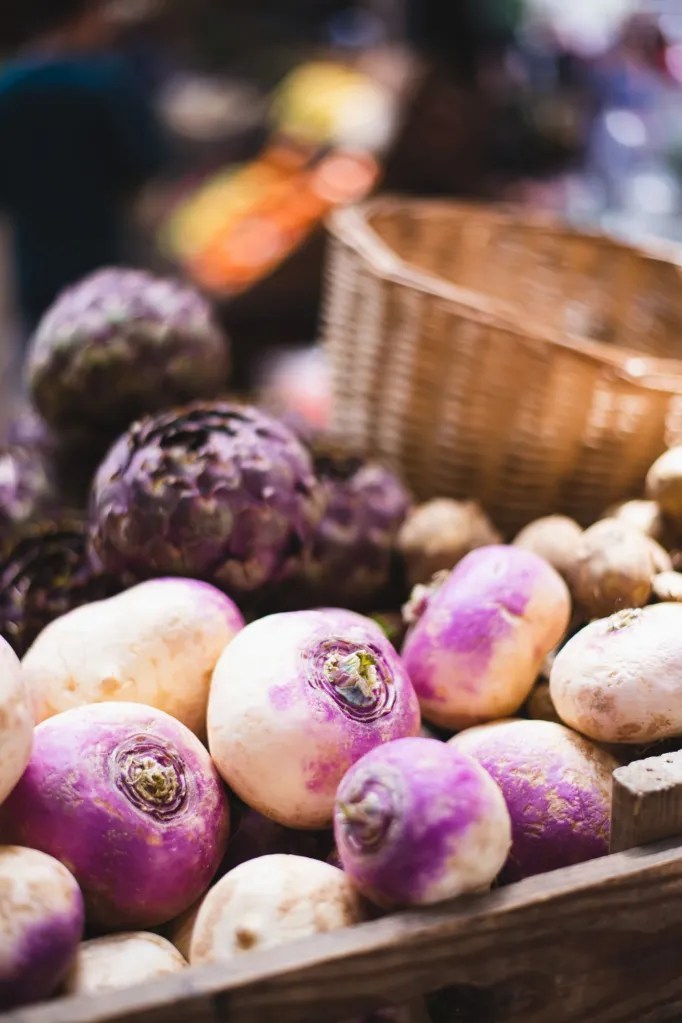
These hardy root vegetables are available throughout the fall and winter months. If you are unfamiliar with them or simply have not included them in your meals lately, let us take a closer look.
Turnips are another fall vegetable deserving a second look. Their mildly peppery flavor adds interest to meals, and they also provide vitamin C, fiber, and potassium.
Turnips belong to the cruciferous vegetable family, which includes broccoli, cabbage, and cauliflower. These vegetables contain naturally occurring plant compounds that researchers continue to study for their potential health benefits.
Please do not discard those leafy turnip greens! They are edible and provide vitamins K, A, and C, along with calcium and fiber. Vitamin K plays an important role in normal blood clotting and bone health. Turnip greens can be added to soups or lightly sautéed as a flavorful side dish.

Just yesterday, I was in a conversation about rutabagas. Those who remember them from childhood certainly recognize the name!
Next have rutabagas, which I cut into steak fries, roasted in the oven and serve with a handmade catsup.
The rutabaga have a slightly sweet, earthy flavor and provide vitamin C, dietary fiber, and potassium.
Vitamin C supports immune function and collagen production, while fiber contributes to digestive health. Potassium helps maintain normal blood pressure and supports muscle and nerve function.
Whether roasted, mashed, or added to soups and stews, rutabagas and turnips offer a simple way to bring variety to our seasonal menus.
Simple Ways to Enjoy Fall Produce
Here are a few simple ways to incorporate these seasonal favorites into your meals:
- Roast rutabagas, turnips, carrots, and parsnips together.
- Add diced root vegetables to a hearty vegetable soup.
- Mash rutabagas with potatoes or cauliflower.
- Add fresh cranberries to blended drinks for flavor and color.
- Dehydrate cranberries for use in oatmeal, baked goods, and granola.
When we include a variety of vegetables and fruits in our meals, we benefit from the different nutrients each one offers. Fiber, vitamins, minerals, and naturally occurring plant compounds contribute to an overall health-supportive eating pattern.
One of the joys of seasonal eating can be discovering how easy these foods and others can become part of your everyday routine. Sometimes, rediscovering a familiar vegetable or welcoming a seasonal favorite is all it takes to bring a little more variety to your table and a new nutrient to your body.